
The government has no clear public mandate for introducing automatic legal rights and obligations for cohabiting couples without their consent, Baroness Ruth Deech has warned the justice secretary, Alex Norris.
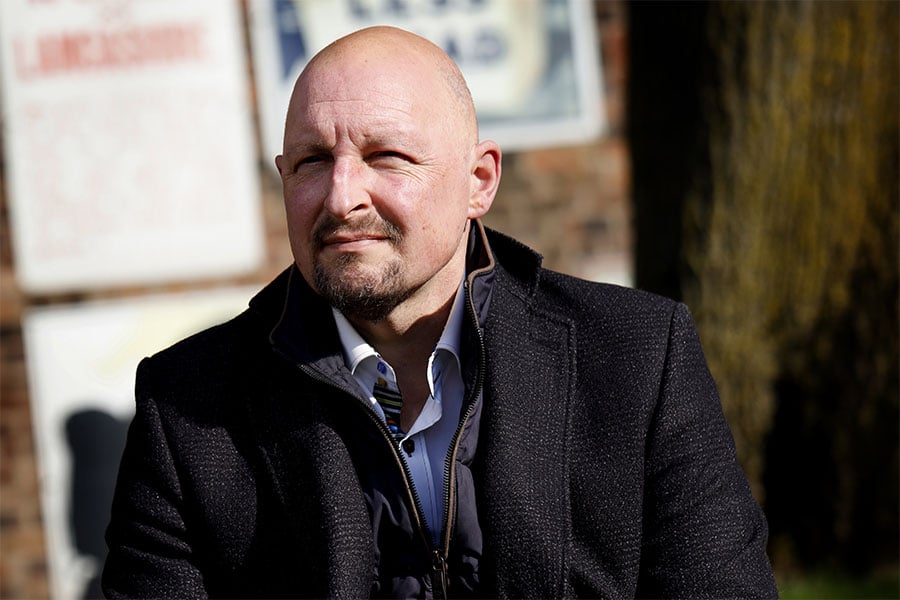
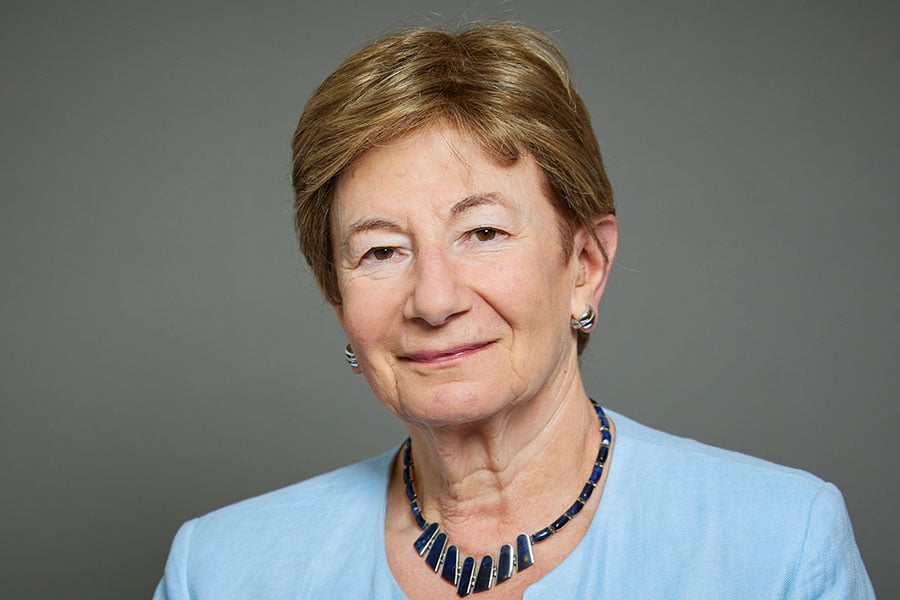
In her response to the Ministry of Justice’s consultation A Fairer End to Relationships, the crossbench peer (pictured) argues if the government concludes unmarried couples need greater legal protection, it should introduce an opt-in system rather than automatically imposing legal rights unless both partners agree to formally opt out.
Passing the proposals would represent a “profound constitutional change”, the baroness warned, adding: “Marriage and civil partnerships are legal relationships that people freely choose to enter into.
“Under these proposals, similar legal obligations could arise automatically without either partner ever making that choice, and people may not even realise those obligations have been imposed on them.”
The warning comes after a poll of over 2,000 UK adults revealed 72% had heard little or nothing about the proposals, and only 37% support them after they had been explained.
According to Survation’s poll, the public was evenly divided on whether reform is needed at all, with 42% saying the current law is broadly adequate and 41% believing new rights are needed.
Almost half (47%) believe the proposed framework should not apply if one partner wants to opt out, compared with 32% who think both partners should agree.
Respondents were also evenly divided between the government’s preferred automatic framework (43%) and a statutory opt-in system (43%). Three quarters said it is important that people who are divorced, widowed or have had a civil partnership dissolved should be able to protect assets intended for their children and grandchildren, remain financially independent and stay outside the automatic legal framework.
On automatic inheritance rights for qualifying cohabiting partners, 33% support the proposal, 29% oppose it and 29% neither support nor oppose it.
Among currently cohabiting respondents, 50% said new rights are needed. However, 51% said those rights should require both partners to actively choose them, while 52% said the framework should not apply if one partner wanted to opt out.
Baroness Deech, a former law lecturer, argues the findings show the public distinguishes between safeguarding vulnerable people and automatically imposing legal obligations.
Her response to the consultation says the government has “not demonstrated that an automatic statutory framework is either necessary or proportionate” and warns that the proposals would create a third legally recognised relationship alongside marriage and civil partnership, but without requiring the consent of both partners.
The submission also refers to concerns raised by former justice minister and current shadow attorney general Lord Wolfson of Tredegar, who told the House of Lords in a recent debate on cohabitation rights: “The common thread running through our private law is not paternalism, but autonomy…The law provides a framework, but adults make the choice.”
It also highlights warnings from His Honour Judge Edward Hess, deputy national lead judge of the Financial Remedies Court, who estimates the proposals could generate around 10,000 additional Family Court cases every year.
Baroness Deech said: “The polling shows the government has no clear public mandate for automatically imposing marriage-like legal rights and obligations on cohabiting couples without their consent.
“The public supports protecting people who genuinely need it, but it has not endorsed the government’s preferred approach. Nor has the government demonstrated that automatically imposing marriage-like legal rights and obligations is either necessary or proportionate. Instead, the polling shows people want protection to be balanced with choice and consent.
“Three quarters of the public believe that people who are divorced, widowed or have dissolved a civil partnership should be able to protect the homes, pensions and assets they have built up over a lifetime, preserve them for their children and grandchildren, remain financially independent and stay outside the automatic legal framework.
“Many people consciously choose not to remarry because they value both companionship and financial independence. They should remain free to make that choice, and the law should respect – not undermine – it.”
There is a better alternative, Baroness Deech claims.
She explained: “If the government concludes that additional legal protection is needed, it should introduce a simple statutory opt-in system that allows couples to choose for themselves whether they wish to acquire those rights and responsibilities.
“Ultimately, the issue is not whether the law should provide additional remedies. It is whether significant legal rights should arise because adults choose them, or because the state presumes they intended them. I believe those rights should continue to be based on informed consent. It’s your relationship, your choice.”
Image © House of Lords / photography by Roger Harris, reproduced under an Attribution 3.0 Unported (CC BY 3.0) licence