Rachel Frost-Smith, head of children at Birketts, cautions against sharing a ‘one size fits all’ letter with separating parents before conducting proper screening for the risk of abuse.
Dame Rachel de Souza, the Children’s Commissioner for England, has recently written a letter to separating parents. She hopes that this letter may be shared with clients by family lawyers. One major law firm has committed openly on social media to doing so with all their clients in this situation at the beginning of their involvement.
On the face of it the letter and the objectives expressed cannot be criticised.
It is of course right that when parents separate and child arrangements are discussed the best interests of the child/ren should be at the heart of any discussions and arrangements and their voices should be heard. This concept is already enshrined in the welfare checklist in the Children Act 1989.
Good family lawyers give their clients robust advice on this basis. They recognise the tension that exists between the breakdown of the romantic relationship of the parents, particularly in the immediate aftermath of this, and the duty to co-parent.
But this advice must always be given after screening carefully for domestic abuse, in the knowledge that child/ren, as recognised in the Domestic Abuse Act 2021, are victims of domestic abuse if they are related to the perpetrator or the victim of the abuse.
For those of us that work in this practice area, and daily encounter the challenges faced by chronic lack of public funding resulting in parents being unable to secure legal representation, or access appropriate support for themselves and their child/ren as the victim/s of domestic abuse’ the simplistic approach taken in this letter, and the passing nod to these common scenarios raises concerns.
It is only recently that it was confirmed that the law will no longer contain a presumption that a parent should be involved in the life of a child, PD12J has become a part of the landscape, and Cafcass has properly embedded protocols to try and ensure that the time child/ren spend with a parent is safe – for them and the primary caregiver.
There is still a disparate application of these measures across courts/geographical areas, a lack of proper information gathering to enable research, difficulties evidencing coercive control, and despite the changes made to S 91 (14), widespread use of the court system as a tool of post-separation abuse. We are in the foothills of recognising and addressing domestic abuse.
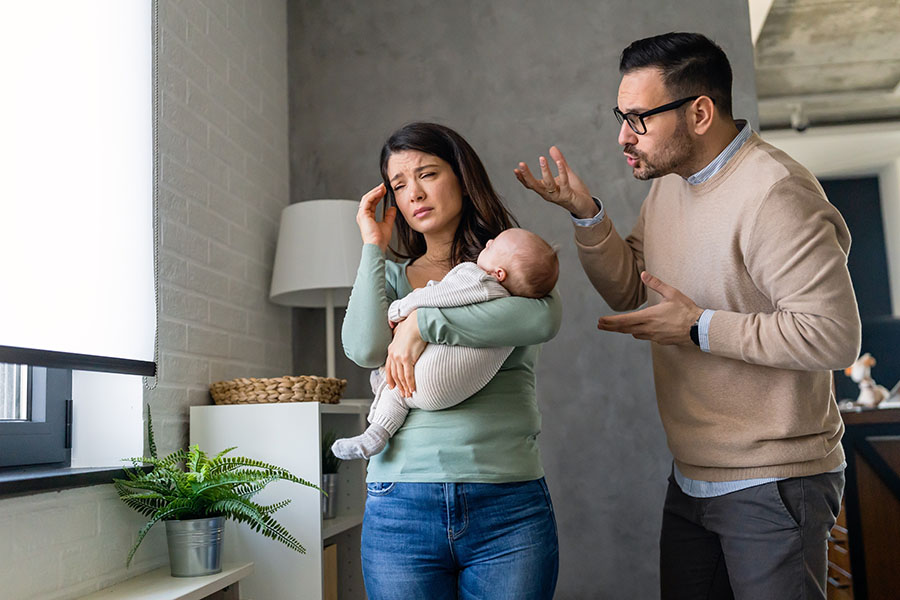
Many victims of domestic abuse, particularly in the early post-separation days feel coerced, controlled and bullied into making arrangements for their children that are not in their welfare best interests. Being sent a letter that endorses this may be very unhelpful.
So a note of caution to the Children Commissioner; private children cases, long the poor cousin of public children cases, are not all about parental disagreement. Damage to the children in more complex private cases occurs mainly from a lack of resources, resulting in delays, a desire to collapse the fact-finding and welfare stages to try and mitigate that delay, fudged decision making, lack of judicial continuity, treating abuse as conflict and imposing arrangements that leave victims of abuse, including children at continued risk of harm. A much more radical overhaul and joined up thinking across all aspects of public policy is required to address these issues to ensure that the children of today have an opportunity to become healthy adults of tomorrow.
About the author
 Rachel Frost-Smith is head of children at Birketts. She is a children arbitrator, solicitor-advocate (higher rights, civil proceedings), and a Resolution-accredited specialist (private law children and private law children advocacy). Rachel leads the private children practice at Birketts, drawing upon the breadth and strength of the family team across our offices. The family team at Birketts includes ADR practitioners, and advocates, with experience in both private and public children law, modern families and international cases.