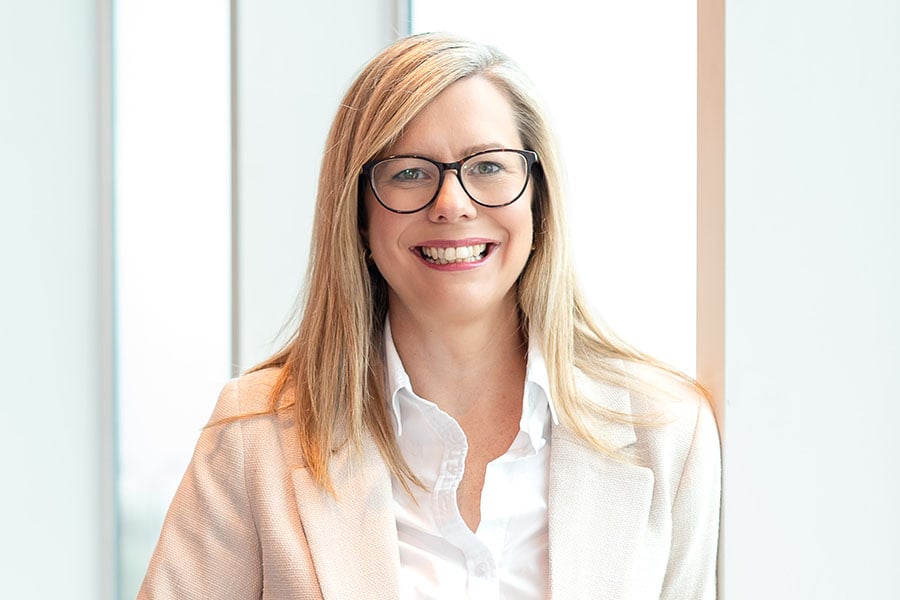
With more than 30 years of family law experience there are few more qualified than Yael Selig to talk about one of family law’s most challenging specialisms: international child relocation disputes.
Partner and head of the Hampstead office at Osborne’s Law, Selig joins the latest Today’s Family Lawyer podcast to discuss her practice which uniquely draws on her qualifications as both a solicitor and barrister with expertise in Gibraltar and England and Wales.
How should practitioners deal with cases involving separated parents who wish to live in different countries and disagree about where their children should reside?
It’s a growing issue given the increase in international mobility and recent changes affecting non-domiciled individuals where financial considerations, including the cost of private education, are factors driving some families to leave the UK and seek opportunities elsewhere.
Here in England and Wales we are blessed and cursed by our “highly discretionary” legal system explains Selig. Unlike more formulaic legal systems, English courts must determine what outcome best serves the child’s welfare, considering a broad range of factors. In relocation cases, judges are tasked with deciding whether a child should remain in one country or move to another. These decisions are difficult because they require balancing educational opportunities, family relationships, financial realities, immigration considerations, and the practicalities of maintaining meaningful contact with both parents.
The outcome is fundamentally “binary” says Selig. The court must either permit the relocation or refuse it, meaning one parent is almost certain to be disappointed by the result. The consequences can be life-changing. If a relocation application succeeds, the non-relocating parent may face significantly reduced contact with their children. Equally, a parent opposing relocation may feel compelled to move countries themselves rather than become separated from their child.
Such cases can sway on the evidence presented by expert witnesses with courts reliant on independent social workers to assess the children’s needs and wishes, while specialist lawyers from overseas jurisdictions may be instructed to explain how English court orders will be recognised and enforced abroad. Selig notes that ensuring compliance with international agreements, such as the Hague Convention, is critical. Where a destination country does not fully recognise or enforce English orders, additional concerns arise regarding child abduction and the ability of courts to protect ongoing parental relationships.
Parental alienation, geo-political uncertainty, judicial understanding and nuptial agreements are all additional factors to consider in this hugely complex area of law where practitioners must use all their patience, empathy, resilience, and strong interpersonal skills to manage clients’ expectations, supporting them through emotionally difficult circumstances, and preparing them for outcomes that may be favourable or disappointing.
In many respects concludes Selig, the human dimension of the work is just as important as legal expertise.
The Today’s Family Lawyer podcast is available on your preferred podcast provider and at www.todaysfamilylawyer.co.uk.
Subscribe to Today’s Family Lawyer to receive our FREE weekly newsletter, out every Thursday and listen in to the podcast to hear all the latest news and views from across the family law sector. Thank you to our Podcast Sponsors LEAP.