
Following the close of the government consultation on wedding reform yesterday (Thursday), family lawyers have shared their views on the proposed shift in marriage laws.
The proposal aims to simplify the marriage process, as well as making it more affordable and more meaningful by giving couples greater choice over their ceremonies.
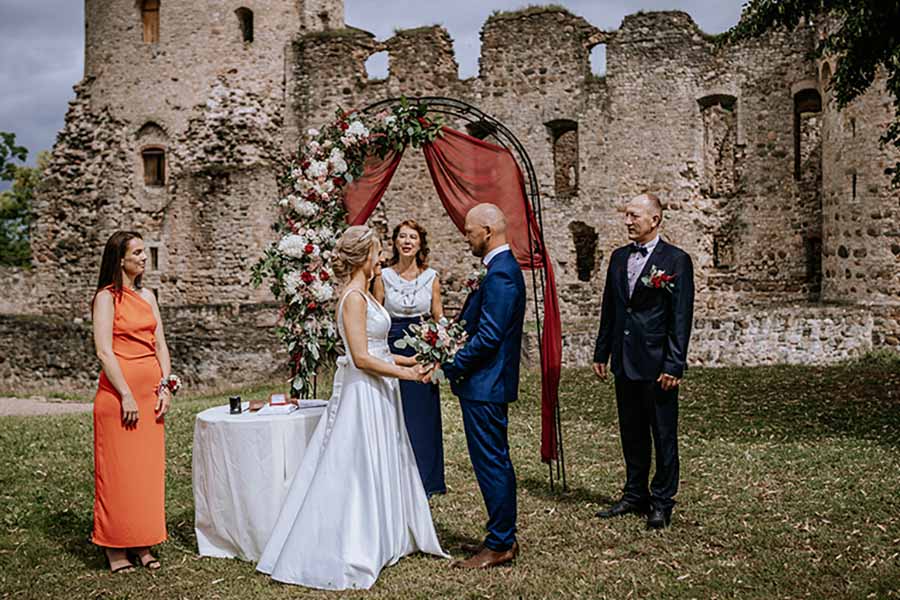
New rules would widen the scope of venues legally allowed to host ceremonies which in turn could significantly reduce costs of weddings which currently stand at an average of £20,000 – something the Ministry of Justice says is “unrealistic” for many.
Further changes proposed will see faith-based ceremonies recognised, while officiants will have to meet strict requirements to be able to conduct weddings and will determine if a location is suitable for a ceremony.
Meanwhile, to maintain protection against forced, predatory and sham marriages, couples will have to complete a two-stage process, including an in-person interview, to verify their identity and demonstrate eligibility to marry.
Opinions of the proposal have been positive, with Sarah Green, family partner with law firm Michelmores, saying the move is “a real opportunity to bring the law into the 21st century”.
Current legislation around marriage dates back to the 18th and 19th centuries.
Green said: “The current framework can feel increasingly out of step with the way people live, worship and celebrate today.
“The law should provide the framework and safeguards needed to make a marriage legally valid, rather than dictating what a wedding has to look like or where it has to take place.
“The proposed move towards an officiant-based system, with greater flexibility over locations and ceremonies, could give couples much more freedom while maintaining the safeguards that are essential to protect the integrity of marriage.”
She added: “Ultimately, reform should be about choice.
“If two people have freely decided to make a legally binding commitment to one another, the law should make it easier for them to do that in a way that reflects who they are, rather than forcing them to fit a model designed for a very different era.”
The Law Society also backs the plans to modernise wedding law, while emphasising the importance of maintaining strong protections against coercion, fraud and forced marriage.
The Society argues that in order for the legislation to work, the reforms must “strengthen safeguards” to protect people from forced or predatory marriage, coercion, undue influence and fraud while balancing flexibility with “legal certainty, clear rules, robust oversight and effective safeguarding”.
Reforms must “improve public understanding of marriage and its significant consequences for finances, inheritance and family rights”, the Law Society added.
Law Society president Mark Evans said: “For many couples, getting married is one of life’s most significant moments.
“The Law Society has long recognised the need for a weddings framework that is simpler, more accessible and capable of reflecting the diversity of modern society.
“Wedding reform should deliver greater choice for couples, stronger protections and a clearer understanding of the legal consequences of marriage.
“However, safeguarding should remain a central feature: greater choice should not come at the expense of protections against abuse.
“Couples should also be able to enter marriage with a clear understanding of its legal consequences, including its impact on finances, inheritance and family rights.
“This is a once-in-a-generation opportunity to create a weddings framework that reflects modern society.
“The right reforms can give couples greater freedom over how and where they marry, while strengthening safeguards, maintaining legal certainty and ensuring people understand the significance of the commitment they are making.”
Emma Leavesley, family partner at B P Collins highlighted how the reforms “appear to place greater responsibility on the person conducting the ceremony”.
She said: “The officiant will now need to play a central role in ensuring not only that the ceremony is properly conducted, but also that both parties are entering into the marriage freely and willingly.
“They could also be expected to identify and guard against issues such as forced marriage, while also making sure the ceremony itself is sufficiently clear and properly overseen so that its validity cannot later be called into question.
“Practical matters, such as whether the parties could hear and understand what was being said, may become more significant if there is greater flexibility around where and how ceremonies take place.
“The reforms will also make it easier for couples to marry in a wider range of locations, without the venue itself needing to hold a specific civil licence.
“That will be welcomed by many couples, but it must be matched by clear system for registration to avoid any oversights and not create uncertainty about whether a marriage is legally valid.”