
A service launched by TV Edwards Solicitors aims to address the trauma, unfair parental blame and unmet needs neurodivergent parents experience in the family justice system.
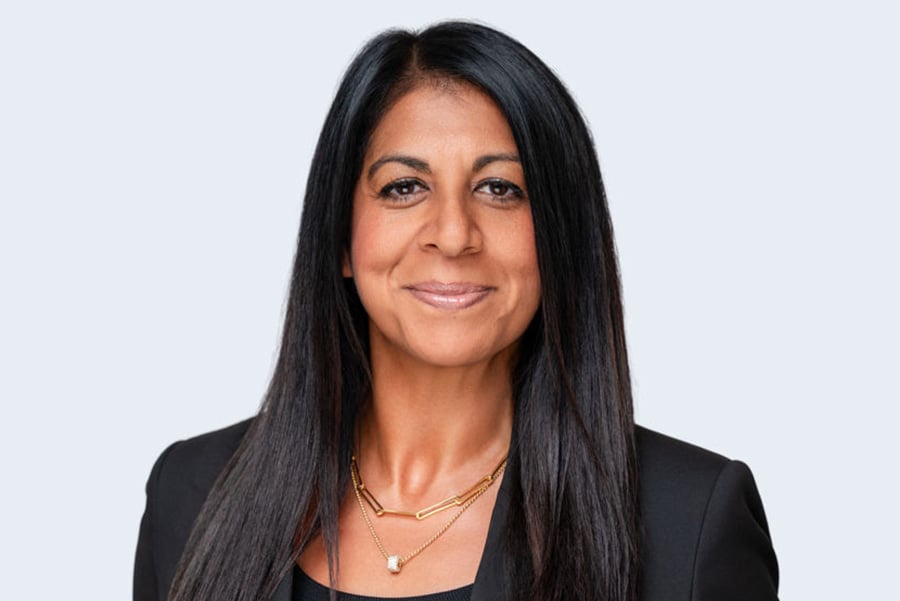
The London-based firm’s Neurodiversity Aware Family Law service team will be led by Alia Lewis (pictured), an award-winning child protection solicitor and parent of an autistic child with additional needs.
Lewis and colleagues Sheena Vadher and Fauzia Mumani are also amongst the co-founders of Family Law Advice for the Neurodivergent Community (FLANC), a non-profit initiative focused on improving access to justice and systemic reform for neurodivergent children and adults.
One in five people in the UK are neurodivergent but many continue to be misunderstood within the family justice system, which TV Edwards says can result in trauma, anxiety, frustration and, in some cases, unfair treatment and poor care planning, particularly in child protection and care proceedings.
The service will provide tailored, trauma-informed support for clients with autism, ADHD and other neurodivergent diagnoses, as well as parents and children with additional needs or disabilities. The team will also support clients who live with rejection sensitive dysphoria and pathological demand avoidance.
The service will cover a range of cases, including child protection, care proceedings, contact disputes and matters involving FII or misunderstandings of neurodivergence in professional assessments.
“Research shows the devastating impact on families when neurodivergent profiles are misunderstood, the family justice system needs to adapt to meet the needs of all individuals so that it is truly neuro-inclusive,” said Lewis.
“Family law proceedings can feel overwhelming, particularly where behaviour, communication differences or sensory needs are misunderstood by the legal system. Without the right knowledge, there is a real risk of mischaracterisation and false narratives forming about parents, and also a failure to meet the needs of children with complex profiles.
“Our approach is designed to reduce those barriers and build trust from the outset – from completing an ‘All about Me’ document to avoid repetition and reduce stress, to simplifying legal processes, and to identifying where neurodivergence is being missed or misunderstood.
“We make practical adjustments that help clients have confidence in the system and the decisions being made about them and/or their children.”
Lewis added: “This isn’t a niche issue; it’s a systemic gap. As both a solicitor and the parent of an autistic child, I’ve seen first-hand how misunderstandings can negatively shape outcomes.
“Looking at a case through a neurodivergent lens can completely change its landscape and the trajectory for the family involved.
“That’s why I’m committed to improving family justice and child protection; to break down barriers for neurodivergent parties, to ensure we are achieving the best outcomes for the families we work with and to maximise opportunities for them to remain together, with the right support, where possible.”