
The High Court has ruled that a child born to a foreign surrogate mother can be added as a beneficiary of family trusts, in a case that has highlighted the challenges modern parenthood poses to old trust structures.
Ceawlin Thynn, the 8th Marquess of Bath, and his wife, Marchioness Emma Thynn, wanted the court’s “blessing” for their second son, Henry, to be allowed to inherit a share of three trusts. Henry, though genetically the couple’s child, was born to a surrogate mother in America in 2016, after health issues with the then Viscountess Weymouth’s first pregnancy.
Judge Paul Matthews explained that there was doubt whether Henry fell within the class of beneficiaries or discretionary objects of the family trusts because the trusts “expressly retain the pre-1970, common law, meanings of descriptions of family relationships, such as child, grandchild and issue”. These came before the development of egg-extraction and the birth of [first ‘test-tube baby’] Louise Brown in 1978.
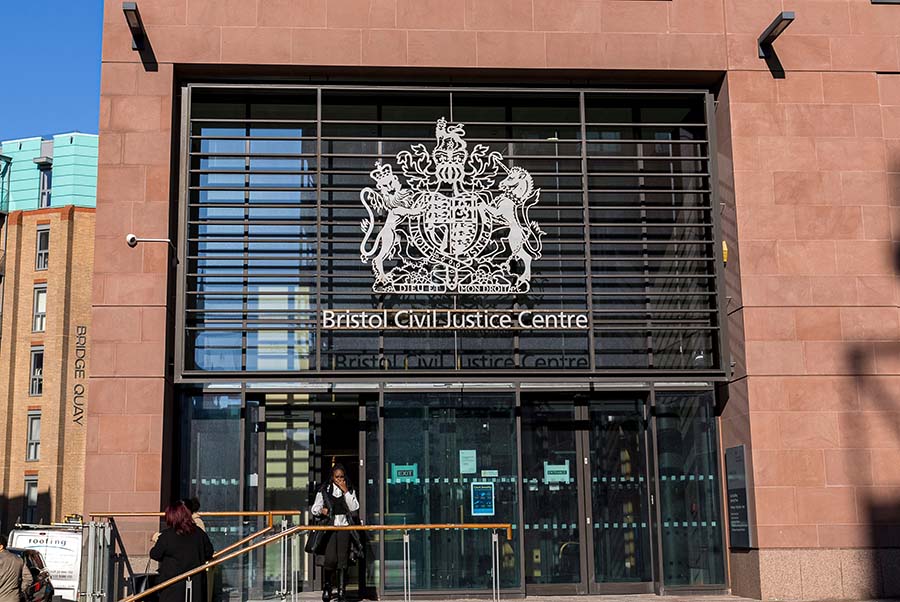
In his ruling following the Bristol hearing, the judge said he was “satisfied that the court should approve the proposed exercise of the trustees’ power of advancement”.
But, he said, this only allowed Henry to be added. Any actual decision could be taken later, after the tax implications for someone born in America to an American surrogate mother had been considered.
The judge said that he had not been asked to decide “the status at common law of the child the product of the egg of a married woman fertilised by her own husband but actually born of another woman”. This, he said, had never been decided in English law and he had proceeded on the basis that Henry was excluded.
James Austen, partner specialising in trusts, tax and estate planning at Collyer Bristow, said the issue is not just about one prominent family. “More families will increasingly find themselves navigating the same legal shoals,” he explained.
“The admirable unity over the wish to treat Henry equally with his siblings shown by the Thynn family and its trustees will not be true of every family in the same position, and other cases (which are already arising in England and elsewhere, though not publicly reported) may well lead to a different result.
“The difficulty in precedent-based legal system such as that in England and Wales is how to do justice in every case, when different families might have starkly contrasting objectives.”
Jennifer Headon, head of the international family law team and legal director at Birketts LLP said the case highlights the tension between archaic trust structures and the realities of modern family formation.
“Many dynastic family trusts were drafted at a time when relationships, parenthood, and the routes to creating a family were far more narrowly defined. As a result, children born through surrogacy, donor conception, or international assisted reproduction may not fit neatly within traditional beneficiary classes, even where biological and intended parenthood is clear.
“Families often only discover these issues when the structure is stress-tested due to a life event – such as succession planning or the birth of a much‑wanted child. Fortunately, the courts and trustees now have a wider range of tools to help ensure that trust structures reflect today’s family dynamics. The key is to anticipate these issues early.
“For families that have welcomed children via international surrogacy or other modern routes to parenthood, proactive legal advice is essential to safeguard inheritance rights and ensure that the intentions of parents are properly reflected within their trust arrangements.
“This case is a timely reminder that trust structures must evolve to keep pace with societal and medical advances in assisted reproductive technology.”