The Scottish government has launched a review of NHS access to IVF treatment to consider whether it should be extended to single women and couples who have children from previous relationships.
As well as widening eligibility, the review will consider offering an additional NHS-funded IVF cycles for those who have not achieved a successful pregnancy after their initial three cycles.
It will also look at consistency of access to fertility preservation, including for those who have undergone cancer treatment, and the length of time it takes for couples, including same-sex couples, who need donated eggs or sperm to undergo IVF.
Scotland currently has the most generous provision of NHS IVF in the UK, providing up to three full cycles of treatment. Single women and couples who have had children with earlier partners but not together are not currently eligible.
The Scottish cabinet secretary for health and care, Angela Constance, said: “Access to NHS IVF treatment should be fair, timely and reflect the way people’s lives and families look today, and delivering this review is one of our key 100 day commitments.
“The review will look closely at the current system, including waiting times for those who need donor eggs or sperm for their treatment.”
The National Fertility Group will lead the review and make recommendations by early summer 2027.
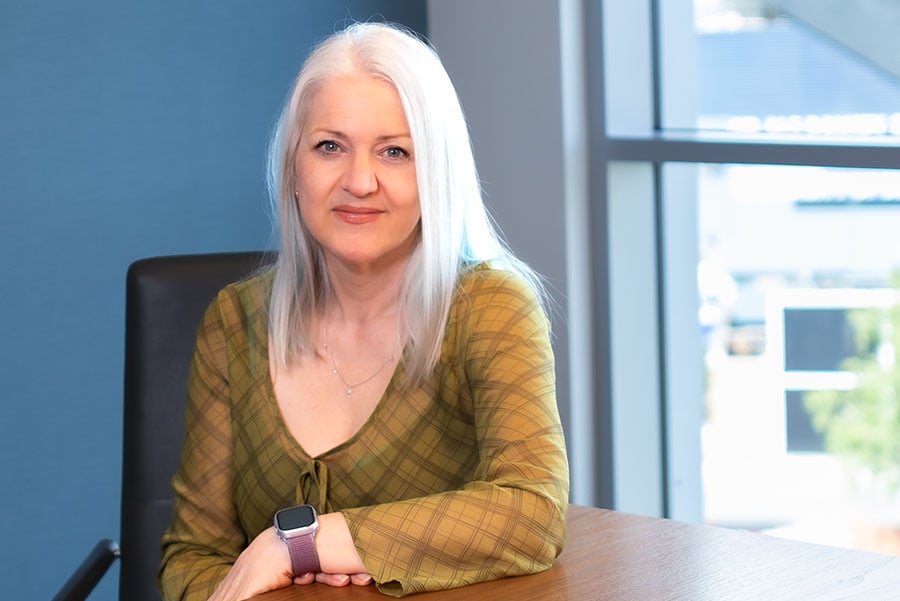
Amanda Masson, head of family law at Wright, Johnston & Mackenzie LLP, said: “The Scottish Government’s review of NHS-funded IVF is an important opportunity to consider whether the current eligibility criteria reflect the increasingly varied ways in which modern families are formed.
“The rules around access to fertility treatment can be complex, particularly where individuals have children from previous relationships.
She added: ”The proposal to look again at access for couples where both partners have children from previous relationships raises fresh questions about how eligibility should be assessed and whether the existing criteria adequately take account of the circumstances of the family seeking treatment.
“Ultimately, the challenge for policymakers will be to ensure that the rules are both sustainable and fair, while recognising that there is no single definition of what a family looks like today.”