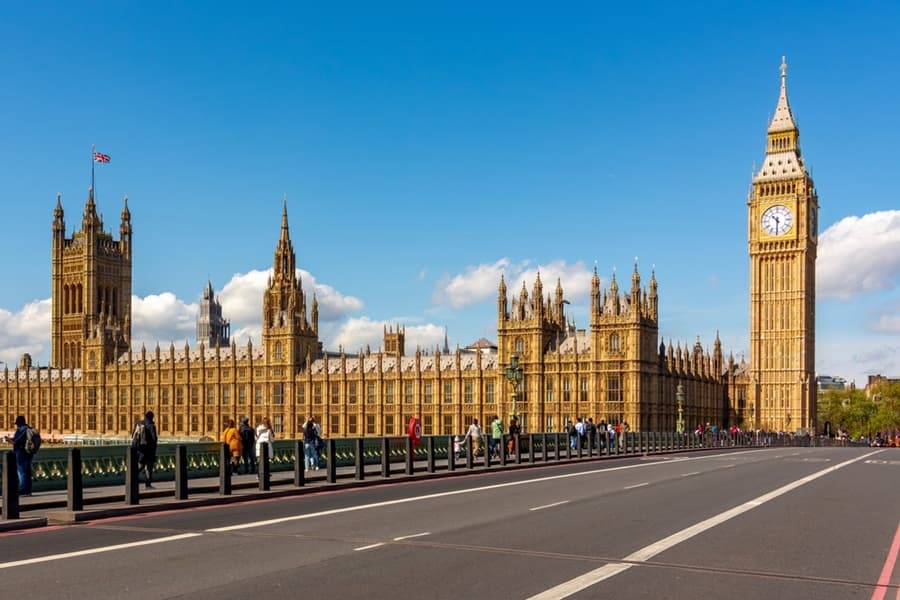

The prime minister has apologised to an estimated 185,000 mothers, adopted people and their wider families on behalf of the British state for its role in historic forced adoptions in England and Wales.
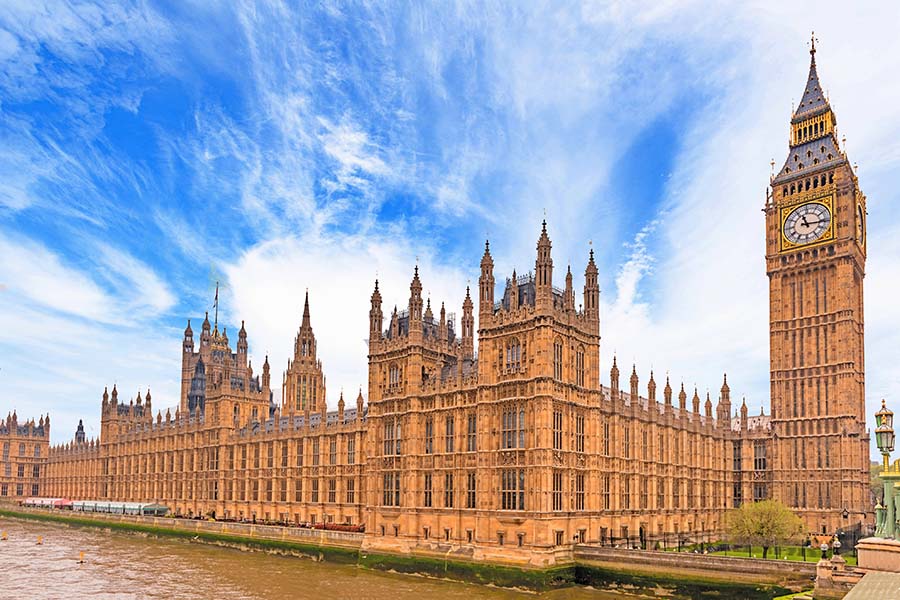
Between the 1950s and 1970s thousands of women were pressured into giving up their children because they were unmarried. In a statement given in Parliament, Sir Keir Starmer described the acts as “a stain on our history”.
The apology recognises that many women were denied genuine choice, made to feel ashamed or unworthy, and that children were taken from their birth families, their identity and history.
Fathers and wider families were also affected, with harm lasting across lifetimes and, in some cases, generations.
The prime minister said many young women were “coerced, bullied or misled into feeling they had no choice but to have their children taken from them”. They were not “isolated or accidental acts”, he added, but “practices embedded” within local authorities, voluntary and faith-based institutions, and health and social care services.
Speaking directly to campaigners attending Parliament, he said: “The shame is not yours. The shame was never yours. The shame is ours. And I say that on behalf of the whole country, I say it to every single person impacted, we are deeply and profoundly sorry.”
Education secretary Bridget Phillipson said: “The pain carried by mothers, adopted children and their families who suffered this appalling injustice is unimaginable. They were cruelly denied irreplaceable moments, shared experiences and relationships which should have been theirs, and were made to feel ashamed.
“Today, on behalf of the British state, we say with one voice: this was wrong, and we are sorry. An apology cannot undo what happened, but it can be the start of real change, alongside providing the practical action, care and support that people need.”
The government has pledged a £4 million support fund to help people access their adoption records via the Coram BAAF charity, and to fund intermediary services such as Family Connect and research and testimonial projects that document the long-term impact of the forced adoptions.
Family lawyer Naomi Angell, adoption specialist and consultant at Dawson Cornwell, said the apology was long overdue after Scotland and Wales acknowledged the injustice years ago.
“The women affected, if still alive today, are now largely in their 70s and 80s, and many have carried the trauma of that experience throughout their lives,” she said. “The impact has also been felt by countless adoptees who were unnecessarily separated from their birth families.
“The introduction of the Adoption Act 1976 brought an end to the private adoption arrangements that had enabled many of these practices, most commonly through religious institutions and medical professionals. Since then, adoptions have been arranged only through local authorities and registered adoption agencies, providing greater safeguards and oversight.”
Cathy Ashley, chief executive of Family Rights Group, said: “The government is right to formally apologise today for the role the state played in this scandal and Family Rights Group welcome the measures being put in place.
“It comes after many years of tenacious campaigning by mothers, adopted children and their wider families, which has taken huge courage and has an emotional toll of its own. As the prime minister said today, the shame was never yours to carry.
“However, we also need to be conscious that many injustices continue in the child welfare system today. Care experienced young parents are at much higher risk of their own babies being adopted. Children removed from mothers, who are victims of domestic abuse, are blamed for failing to protect their children from the abuse.
“There are huge local and regional variations in the likelihood of a baby being removed from their families, with lifelong consequences.
“A state apology for this scandal is a significant milestone, however this must also be moment to reflect on injustices that continue to haunt our current child welfare system, and the magnitude of change required.”
The government has promised that ministers will set out practical steps to improve support for those affected including improving access to adoption records, expand services that support family reconnection, and strengthen awareness across public services.