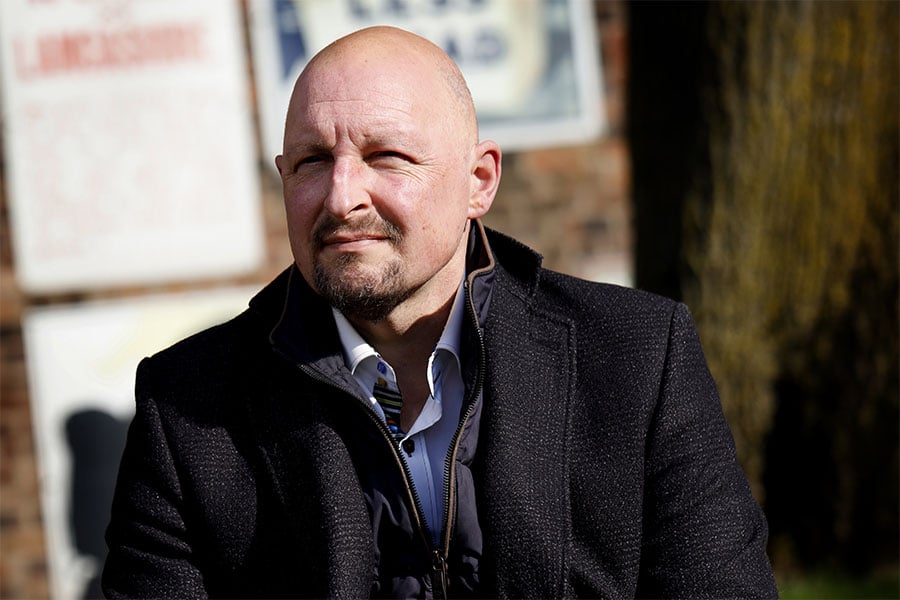

Noelle Heath is a partner and head of family law at Morrish Solicitors, based in Leeds, where she manages a varied caseload for private clients and trade union members. She is a member of Resolution and specialises in all aspects of relationship breakdown, including divorce, financial proceedings and matters involving children. She also advises on and prepares pre- and post-nuptial agreements, cohabitation agreements and separation agreements, helping clients to plan for the future with confidence.
What was your career path to your current role?
I studied law at the University of Leeds before completing my professional qualifications at York Law School, at a time when they were known as the Law Society Finals. After travelling abroad for a year, I joined Morrish Solicitors as a trainee in 1993. I initially specialised in personal injury litigation, but after several years I was ready for a new challenge. I was fortunate to retrain in family law under the guidance of one of the firm’s partners. When he retired, I took over his role — an opportunity that felt daunting at the time but ultimately proved to be incredibly rewarding.
Did you have any other career ambitions?
Not really; I was always quite certain about the path I wanted to follow. From my secondary school days, I was an avid reader and thoroughly enjoyed academic study, particularly subjects that involved analysis and critical thinking. Law felt like a natural fit from an early stage, and I was drawn to the idea of a career that was intellectually challenging but with the opportunity to make a tangible difference to people’s lives. That early aim remained consistent throughout my education, so while I kept an open mind, I never seriously considered an alternative career path outside the legal profession.
What keeps you motivated in your work?
It is the clients, first and foremost, who keep me motivated. Earlier in my career, I found great satisfaction in representing individuals who had often suffered significant injuries, particularly in workplace accidents. However, working in family law brings a different dimension entirely. You are supporting people at what is often one of the most difficult periods in their lives, and that requires a high level of trust, empathy and care. Building those relationships and helping clients navigate emotionally complex situations is incredibly important to me, and knowing you can make a positive difference during such a challenging time is what continues to drive me.
What has been the best development in family law in the last 20 years?
There have been a number of important developments over the past 20 years, but for me the most significant has been the introduction of the Divorce, Dissolution and Separation Act, which brought in the no-fault divorce regime in April 2022. The removal of the need to attribute blame (whether through allegations of adultery or unreasonable behaviour) has been a particularly welcome change. It has helped to reduce conflict at the outset of proceedings and allows couples to focus more constructively on resolving practical issues. While divorce will always be challenging, this reform has made the process more respectful and, in many cases, less emotionally damaging.
And the worst?
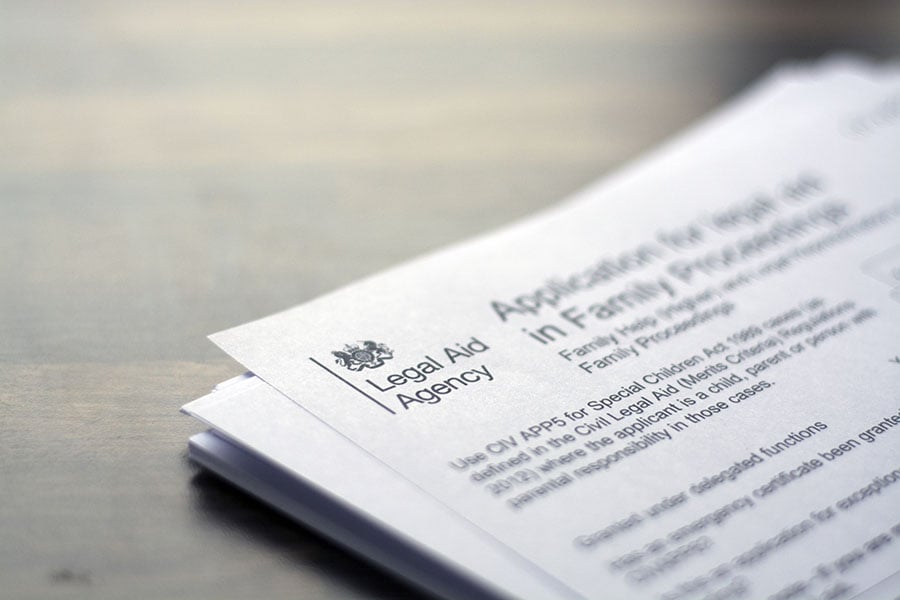
One of the most challenging developments has been the significant reduction in the availability of legal aid, particularly following the changes introduced by LASPO. This has made it far more difficult for many individuals to access early legal advice and representation at what is often a critical point in their lives. As a result, more people are navigating complex family proceedings without support, which can increase stress and, in some cases, prolong disputes. From a practitioner’s perspective, it can also make matters harder to manage constructively, as parties may not have the guidance needed to reach informed and realistic resolutions.
If you could bring in one new piece of legislation for the sector, what would it be and why?
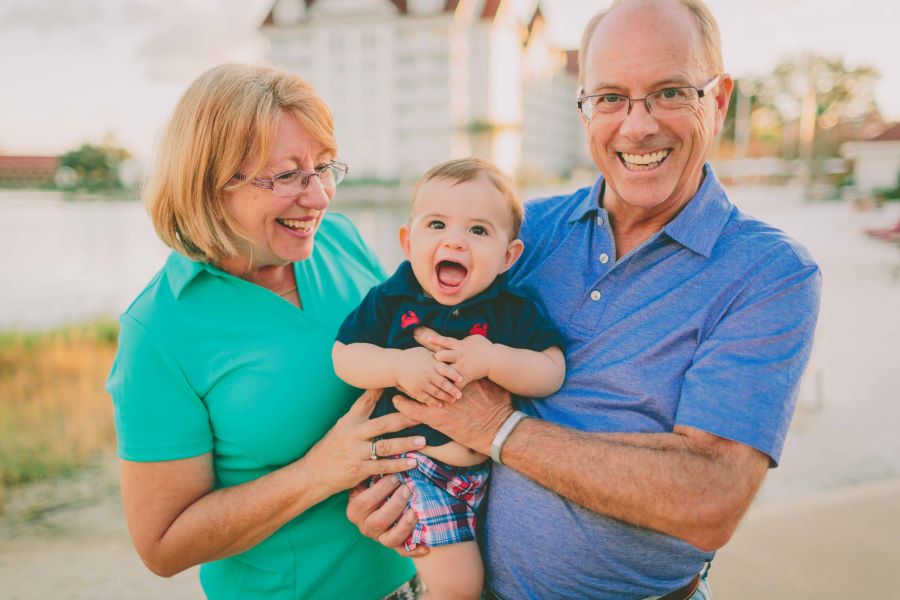
If I could introduce one piece of legislation, it would be a clear legal framework to better protect cohabiting couples. This has long been an area where the law has lagged behind modern family life, given the growing number of people choosing to live together without marrying. I was therefore very encouraged to see that the government has recently launched a consultation on potential reforms to cohabitation rights. Proposals to strengthen protections (particularly for children, financially vulnerable partners, and victim-survivors of domestic abuse, including financial abuse) would be a significant and much-needed step in the right direction.
What piece of legislation would you take off the statute books and why?
Rather than removing a specific piece of legislation, I would welcome reform of the current framework relating to civil partnerships. In particular, I think there is a strong case for allowing opposite-sex couples to convert a civil partnership into a marriage, as is already possible for same-sex couples. At present, couples who change their minds are required to go through the formal process of dissolving their civil partnership before they can marry, which can feel unnecessarily complex and burdensome. A more flexible approach would better reflect the realities of modern relationships and allow couples to formalise their commitment in a way that evolves with their intentions.
What’s the best piece of advice anyone ever gave you regarding your career?
One of the best pieces of advice I was given early in my career was to never be afraid to ask questions. It is easy to feel, particularly at the outset, that you are expected to have all the answers, but in reality, the willingness to ask, listen and learn is what helps you grow and develop as a practitioner. Family law is complex and constantly evolving, and no two cases are ever quite the same. Seeking guidance from colleagues and sharing knowledge not only strengthens your own understanding, but ultimately leads to better outcomes for clients, which is what matters most.
What advice would you like to give to someone just starting out?
My advice would be to focus on being the best version of yourself and to never lose sight of the human side of the role. Family law is not just about legal principles; it is about people going through some of the most challenging moments in their lives. Treat every client with compassion, patience and understanding, and approach each situation as you would hope to be treated if the roles were reversed. Technical knowledge is, of course, essential, but it is your ability to listen, build trust and communicate clearly that will truly set you apart as a practitioner.
Tell us something people may be surprised to know about you…
People are sometimes surprised to learn that I once spent a day dressed as Mr Blobby (remember him?) while volunteering with Leeds Children’s Charity, something I never imagined I would do, but it turned out to be one of the most memorable experiences I’ve had. Seeing the joy and excitement on the children’s faces was genuinely heartwarming and a powerful reminder of how much small moments can mean. It’s certainly a world away from my day-to-day role as a family lawyer, but it reflects something important to me — supporting others, showing empathy, and, occasionally, not taking yourself too seriously.