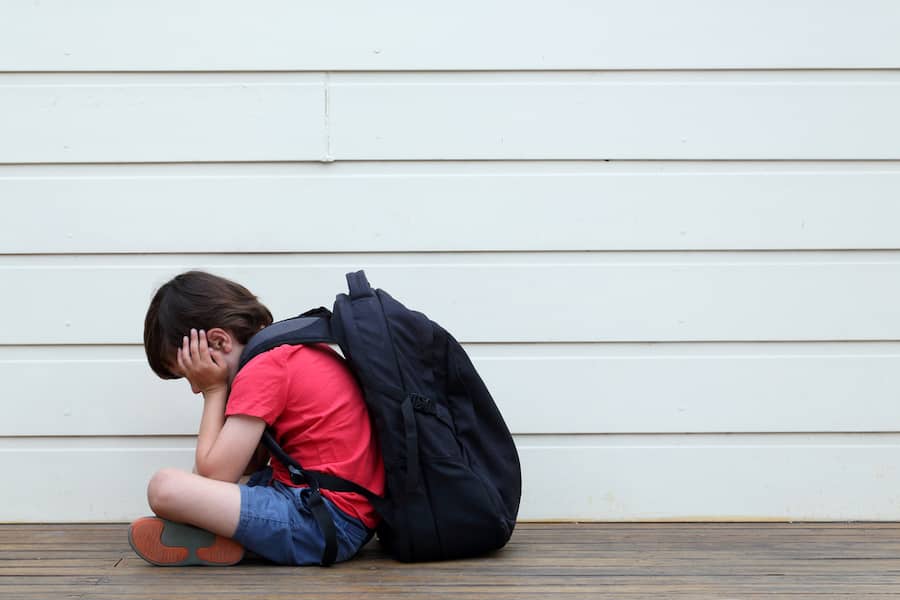

Deprivation of Liberty orders vastly outnumber applications to place children in registered secure accommodation as a severe shortage of secure children’s homes bites say The Nuffield Family Justice Observatory (NFJO).
Ministry of Justice figures (MoJ), released as part of the Family Court Statistics Quarterly, showed 357 children were subject to deprivation of liberty (DoL) applications between April and June 2025. By comparison only 71 applications were made between April-June 2025 for secure accommodation orders. ‘Draconian’ DoL orders authorise the deprivation of children in what are often unsuitable, unregulated settings, used to keep them safe in the absence of other options (such as a secure children’s home) and are driven by short-term crisis planning say the NFJO. The figures represent a 12% increase on the 320 DoL applications for January to March 2025, and is nearly 20% higher than the 299 applications for the equivalent quarter last year.
It brings the total number of DoL orders to 2,606 since the data started to be collected in 2023.
NJFO Director Lisa Harker said it was ‘critical’ to shed light on the continuing and extensive use of DoL orders in the family courts.
“The current data tells us little about the children who are subject to these draconian orders and what then happens to them. We don’t know, for example, whether some groups of children are more likely to be subject to deprivation of liberty orders according to their ethnicity or disability. Nor do we have a clear picture of their needs, and whether these are being met once a deprivation of liberty order is made.”
“We currently lack data to help us piece together a clear picture of all the children who are currently deprived of their liberty, whether they are in youth custody, a mental health provision, subject to an order under the Court of Protection or on a Deprivation of Liberty order. These children have similar needs, but their experiences are often determined by which legal order is made.
NJFO say further national data is needed to understand the impact of DoLs. Previous research by the observatory suggests almost all (97%) of children subject to DoL orders were in care at the time of application and had complex needs and circumstances which include placement breakdown, mental health concerns and extrafamilial risk factors such as sexual or criminal exploitation. Over half (56%) were aged between 13-15 years old, a third (34%) were aged between 16 and 18, and 9% were 12 or under. While there had typically been more girls on DoLs, this gap is narrowing. Between April-June 2025, 51% of orders were for female children, and 49% for male children.
Harker concluded more research was needed alongside policy and practice discussions, convened by the NFJO and other partners, which will continue to explore better and more collaborative ways for professionals across child and adolescent mental health, children’s services, education and youth justice to deliver integrated and timely care for children, preventing more children from being deprived of their liberty.
“Since our original research began more children have been deprived of their liberty, yet the dots are not being joined up. Without better data it is impossible to understand how we can best improve the lives of these children.”