
The Solicitors Regulation Authority (SRA) has published updated guidance on on supervision arrangements following the Mazur case.
In the wake of the Court of Appeal ruling, which held that unqualified staff could continue to undertake litigation work under the supervision of regulated lawyers, the SRA has expanded its supervision guidance to ensure firms understand and comply with obligations, and their arrangements are lawful.
The guidance does not set out any new standards or requirements beyond those already laid out in legislation. It addresses how and when tasks are delegated, and how a solicitor can demonstrate responsibility via direction, management supervision and control.
Expanded sections for supervisors and supervisees include directions for firms on ensuring there is a risk-based approach to supervision, which should take into account the experience of the supervisor and their capacity to supervise – allowing for circumstances such as a heavy caseload reducing abilities. Attention should be given to the complexity of the work and the experience and competence of the individual to whom the work is delegated.
It is not expected that supervisors must be partners, but they must be able to complete the role competently. Supervisors should be subject to peer or expert review, particularly in complex cases, and supervision could form part of the criteria for promotion. Supervisor ratios should be considered, along with how much and when work should be reviewed as part of supervision arrangements.
The guidance includes a section on expectations around in-person, hybrid and remote supervision, acknowledging flexible and home-working patterns and cross-border time zones. In all cases, both non-live and live discussions are encouraged by the regulator. A non-exhaustive list includes suggestions to ask supervisees to share an up to date to-do list at the end of each day, involve junior staff in client calls and virtual meetings, and use screen-sharing tools to review documents in real time.
Jonathan Peddie, SRA executive director, investigations, enforcement and litigation, said: “We know that recent developments have been concerning for many firms, so we are pleased to be able to release our updated guidance. It was important, given the previous uncertainty, that we took the time to review the position thoroughly and collaboratively with others from across the legal sector.
“The court has provided clarity and our overall position remains the same – firms should take a risk-based approach tailored to their circumstances. Each firm will be different, but hopefully our case studies will help them as they exercise their professional judgement in practice.”
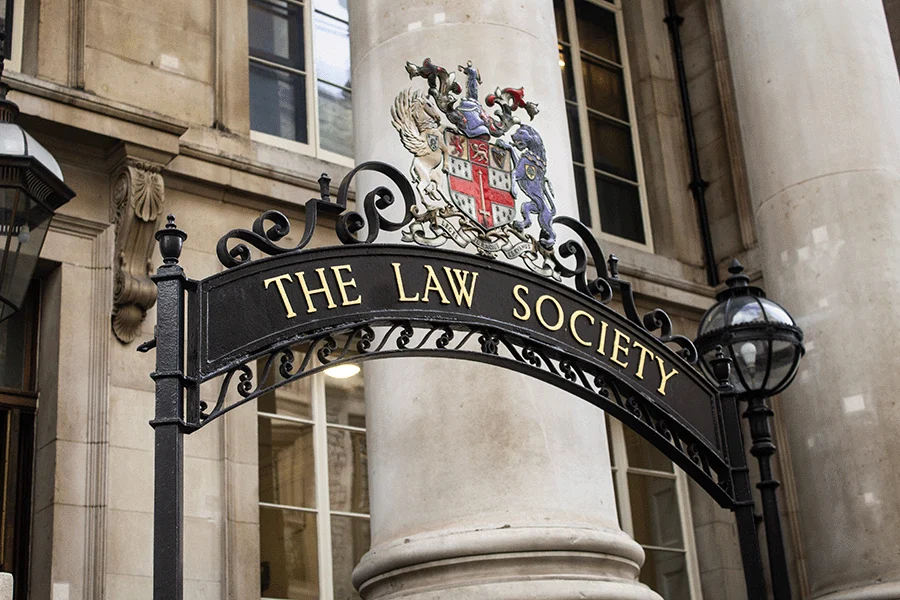
Law Society of England and Wales vice president Brett Dixon said: “The Mazur judgment placed the onus on regulators to determine what amounts to appropriate ‘delegation, management control and supervision’ of litigation. Since the ruling, the Law Society and the Solicitors Regulation Authority have worked together to identify the areas where solicitors are likely to need guidance.
“While the judgment inevitably leaves some areas remaining a little uncertain, we welcome this guidance. We hope it will provide members with clarity as to how to comply with their professional and legal obligations in most situations.”
The guidance has been reviewed by representative bodies including the Law Society, other regulators, government departments and key partners including the Legal Aid Agency and the Law Centres Network. The SRA says it will continue to work closely with stakeholders to make sure the guidance is practical and effective by expanding its pool of case studies.