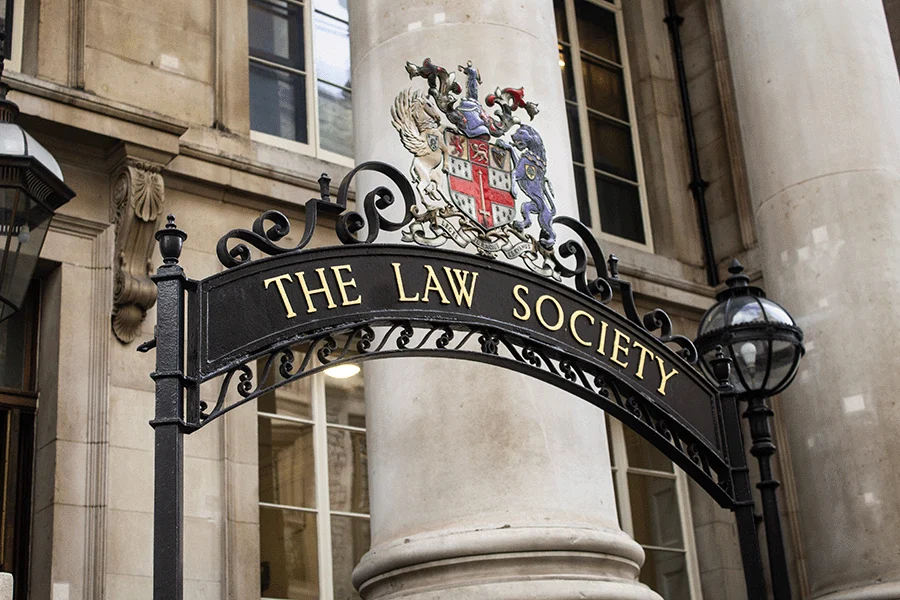

Proposals which would insist on separate post holders for roles of Compliance Office for Legal Practice (COLP), Compliance Officer for Finance and Administration (COFA), Money Laundering Reporting Officer (MLRO), Senior Reporting Officer (SRO) amongst other compliance-related roles in law firms are ‘complex and impractical’, the Law Society says in its response to the Solicitors Regulation Authority’s (SRA) latest consultation.
The “Further consultation on client money in legal services: Protecting the client money that solicitors hold” consultation was launched by the SRA in December, with a submission deadline of 20th February. The consultation considered whether the high profile failures of Axiom Ince and SSB Law, and the current uncertainty surrounding PM Law, might have been mitigated had influential roles within the firm been held by different people, thus introducing more “checks and balances”:
“There is a clear risk if a firm is run by, and/or significant management decisions are made under the control of, a single individual without adequate checks and balances,” the SRA wrote in its consultation paper.
“COLPs and COFAs have explicit responsibilities for making sure that there is systemic compliance with our regulatory arrangements within a firm, and for reporting serious breaches to us. This should provide a level of scrutiny over the way key decisions are made within, and the actions taken by, the firm.
“However, if an individual who has power within a firm, controlling its decision-making and actions, is also the COLP or COFA, this may negate that key safeguard. This may in turn increase the risk of serious breaches of our regulatory arrangements and these breaches going undetected and unreported, causing significant harm to consumers and the public.”
But the proposals have been described as “complex and impractical and would impact small and medium sized firms unfairly by increasing costs which are likely to be passed on to consumers,” by the Law Society in its published response to the consultation.
The Law Society goes on to criticise the proposed thresholds at which such a measure might be introduced, suggesting “the SRA appears not to have based the proposal on any evidence-based or risk-based analysis or modelling”.
Instead, making better use of data available to the regulator, including patterns of late filings, sudden fluctuations in client account balances, staffing, and ownership would provide a more “nuanced picture of risk”, the Law Society suggests.
There is support for efforts to strengthen consumer protection and improve the robustness of the client money framework, and the calls for the restoration of an annual accountants’ reports to be submitted to the regulator are described as a “sensible and necessary measure.” But, the Law Society warns, the SRA must be adequately resourced and have the technical understanding to implement such a regime effectively, with a clear plan for triage and follow-up.
Law Society vice president Brett Dixon said:
“We support the SRA’s ambition to strengthen consumer protection and enhance the robustness of the client money framework. It is essential that all firms, including those currently exempt from filing accountants’ reports file an annual declaration and that accountants can obtain routine bank confirmations to verify a list of client accounts. These are proportionate steps that meaningfully enhance monitoring and protect clients.”
Plans to introduce fixed penalties may create unintended risk or delay and could unfairly penalise firms for failures outside their control said the Law Society, who also warned any increase in the costs associated with compliance could disproportionately affect Black, Asian and minority ethnic solicitors as well as legal aid and sole practitioners negatively impacting the communities they serve.
Dixon concluded:
“We welcome continued engagement with the SRA to ensure they improve client protection without undermining the diversity and accessibility of the profession.”