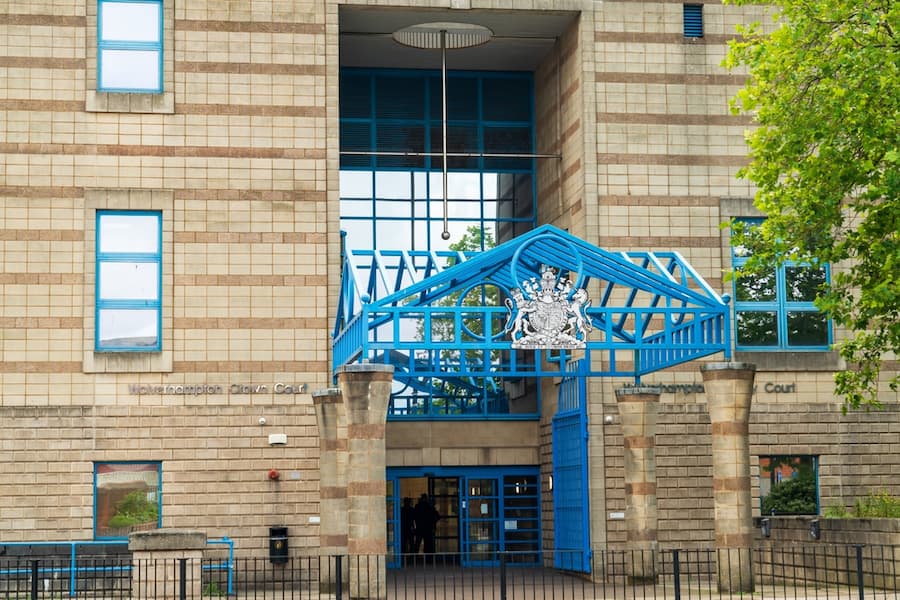

Former court buildings in Fleetwood, Telford, Chichester and Cirencester – used as Nightingale Courts since the pandemic – will now become permanent fixtures, the Ministry of Justice has announced.
The move will secure 11 additional courtrooms across the country where capacity is most needed, the MoJ said, to help tackle the backlog of family, civil and criminal cases.
The former Nightingale Courts will form part of the core estate and qualify for future modernisation and investment, which HMCTS says will allow it to improve infrastructure and ready the buildings for the latest technology,
Sarah Sackman, the minister for courts, said:
“This marks a new chapter for these courts. We’re ending the Nightingale era and making a lasting investment in justice. The permanent courtrooms, as part of our Plan for Change, will help deliver faster justice and give much-needed clarity to victims and the staff who serve them.
“Investment matters, but it isn’t enough on its own. We must deliver bold reforms to put the broken system we inherited – on the brink of collapse – back on sustainable ground.”
Making the courts permanent marks the end of the Nightingale courts initiative, which at its peak in July 2021 saw 60 temporary courtrooms operating in hotels, conference centres and office buildings to keep justice moving during the pandemic.
The government is investing £148.5 million to repair and upgrade courts across England and Wales this year, to address longstanding maintenance issues and help to reduce delays caused by ageing infrastructure.
Alongside investment in the estate, ministers have also increased funding for Crown Courts to sit a record 111,250 days this financial year.
“Making these four Nightingale courts permanent is sensible given the appalling backlogs in our courts,” said Law Society of England and Wales president Mark Evans.
“But the UK government must ensure there are enough judges, court staff and lawyers to work on the cases.
“To bring down the backlogs and ensure truly swift and fair justice, the government must focus on efficiencies and sustained investment across the entire justice system, including reducing the number of cases coming into the courts.”
Nick Gova, head of family at London law firm Spector Constant & Williams, said the announcement is welcome, but shouldn’t distract from “the dire reality” practitioners and families face.
“Turning four former Nightingale Courts into permanent fixtures and adding 11 courtrooms nationwide is a sticking‑plaster solution to a system still buckling under intolerable delays.
“We are told this will ‘end interminable delays’ for victims, yet the very need to convert temporary pandemic courts into permanent sites shows how far the justice system has fallen behind.
“The fact that the Crown Court backlog resulted in victims waiting years for their hearings, underlines a crisis that cannot be solved by estate expansion alone.
“Family justice in particular continues to suffer from chronic listing delays, ageing infrastructure, and a lack of judicial capacity, issues no new building can fix without deep structural reform. Investment helps, but until government tackles the systemic causes of delay head‑on, the promise of ‘speedier justice’ will remain an aspiration rather than a reality.”