
A new report calls on the government to embed a recognition of kinship care and understanding of trauma into its special educational needs (SEND) reforms.
The All Party Parliamentary Group (APPG) on Kinship Care report, Fighting Two Battles, shines a spotlight on the experiences of children with SEND who are raised by kinship carers.
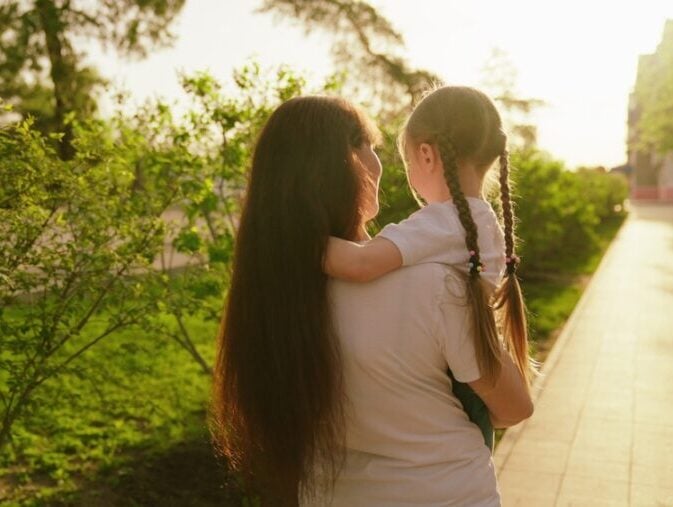
Kinship carers are grandparents, aunts, uncles, elder siblings or other relatives who are caring for children who cannot live with their parents.
There are over 130,000 children raised in kinship care across England, half of whom are estimated to have SEND.
The report reveals that both the child welfare system and the SEND system were not designed with kinship families in mind, forcing them to navigate two complex systems simultaneously.
The report draws on evidence from children and young people, kinship carers, and frontline organisations. It was commissioned ahead of the government’s proposed SEND reforms published in spring 2026.
The Children’s Wellbeing and Schools Act 2026 defined kinship care in primary legislation for the first time and created a new legal duty for every local authority in England to have a Kinship Local Offer.
The APPG report findings, however, reveal that kinship families face a ‘double challenge’ in securing recognition and support for the kinship arrangement itself, while simultaneously navigating a SEND system widely acknowledged to be in crisis.
Melanie Onn MP, chair of the APPG on Kinship Care: “Children in kinship care are frustrated at not feeling heard in schools. Carers are forced to explain their family circumstances at every door they knock on; flying blind, as one carer put it, through complex systems without the information they need to advocate for the children.
“Our clearest finding is how poorly understood kinship care and the trauma that so often accompanies it remains across the education system. Many children arrive in their carer’s home having experienced loss, separation and disruption. While we heard examples of excellent, inclusive practice, schools and frontline services are too often not equipped to respond.”
The Children’s Wellbeing and Schools Act 2026 marks real, hard-won progress — defining kinship care in law for the first time and placing a new duty on local authorities to set out the support available to kinship families. But we cannot stop there. The SEND reforms will only succeed in improving inclusion if kinship care is properly reflected in the system. We cannot afford to design yet another system that leaves these children behind.”
As well as highlighting systems not designed for kinship carers, many of whom step in at short notice and times of crisis, often without essential information about a child’s needs, the report also highlights a low awareness of kinship care and trauma in schools.
The report highlights a risk of children being misunderstood or overlooked in the government’s proposed new tiers of SEND provision, with eligibility for educational supports — including Pupil Premium Plus, priority school admissions and designated teacher support — varying depending on a child’s route into kinship care.
It also reveals delays in securing specialist therapeutic support, including through the Adoption and Special Guardianship Support Fund.
The report also showed that where families rely on special guardianship allowances, inconsistent local policies and means-testing can leave disabled households worse off.
Systemic inequalities highlighted by the report also revealed that Black kinship families are disproportionately affected, with misdiagnosis and racial bias continuing to affect children from Black and minority communities in kinship care. The report highlights the need for culturally inclusive assessment and training across education and related services.
The APPG report also raised the issue of “support cliff edges” as children leave compulsory education at either 16 or 18 years of age.
Joe Robertson MP, APPG vice chair, said: “Kinship families have told our APPG about their worries that the proposed reforms could make it harder to secure specialist support if mainstream education does not meet their child’s needs. Families must be able to progress to the specialist tier if they need to and be able to access the advice they need to hold the system to account.”
Munira Wilson MP said: “Delays in access to timely therapeutic support can put particular strain on kinship families and have a big impact on their experience in school. The Adoption and Special Guardianship Support Fund is one of few routes to this support but access is extremely limited and its long term future is uncertain. An inclusive SEND system must go hand in hand with ensuring all children in kinship care can access therapeutic support if they need it.”
Jordan Hall, head of public affairs, Family Rights Group, said: “Kinship care ensures children can stay safely with family and friends, often avoiding the need to enter the care system altogether. But families face a battle for recognition and practical, emotional, educational and financial support. For kinship families raising children with special educational needs and disabilities, those difficulties can be even more acute.
“Our school system cannot properly support children they do not understand. Without that understanding, children who need targeted support are at risk of slipping through the gaps.”
The APPG is calling on the government to improve recognition of kinship care through updates to ‘Keeping Children Safe in Education’ statutory guidance for schools and awareness raising with frontline services including Family Hubs.
It also wants to ensure all staff in early years, schools and post-16 provision receive training on the impact of trauma, loss and disruption, and the specific experiences of kinship children — including as part of the new national SEND training programme.
The full report, ‘Fighting Two Battles: A spotlight on the experiences of children in kinship care with special educational needs and disabilities’ is available at www.frg.org.uk.