
The government has announced default overnight curfews and the switch-off of addictive features to protect 16 and 17-year-olds on social media.
The plans follow Prime Minister Sir Keir Starmer’s announcement in mid-June that the UK will ban children under the age of 16 from social media accounts.
The latest plans include default overnight curfews from midnight to 6am 16 and 17-year-olds on social media apps. Other potentially addictive features, such as videos that automatically play one after another and feeds that continually serve up personalised content, will also be switched off by default for older teens.
The first set of regulations on the social media restrictions will be laid before Parliament by the end of this year, with measures expected to come into force in spring 2027.
The measures have been informed by a government pilot of 300 teenagers and parents across the UK.
Technology secretary Liz Kendall said: “Our consultation provided a clear message from parents and teenagers alike – even as young people gain greater independence at 16, they should still be protected from the most addictive online features that can have a harmful impact on their wellbeing.
“These measures will be crucial in helping young people get the sleep they need, focus on school and college, and spend more quality time with family and friends, all of which are fundamental to building a happy, healthy and fulfilling adult life.
“We want young people to enjoy the benefits of technology while having the tools to make the online world a place where they can thrive.
The technology secretary will also bring forward a package of measures to help children use AI chatbots safely. These include imposing regular breaks for under-18s using chatbots and working with regulators and across government to address services that provide dangerous, misleading or unverified mental health advice.
Ministers say they will consider all options, including banning chatbots that pose a serious threat to children.
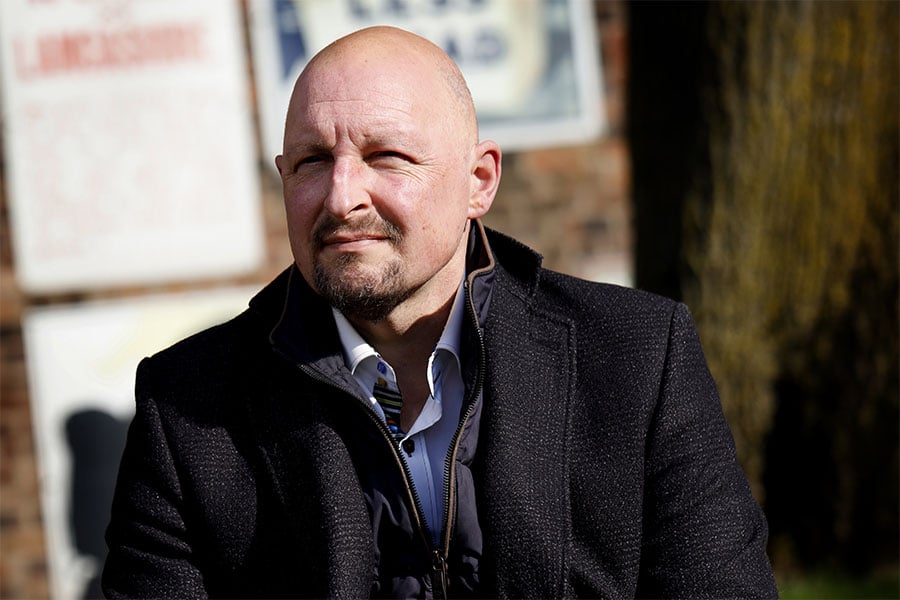
But Baljinder Bath, barrister at 4PB and children law specialist, said the announcement was a “serviceable soundbite” that was “wholly lacking in detail”.
She explained: “Beginning with the obvious; the curfew is voluntary. A 16 or 17 year old may disapply the default settings at a tap. A curfew that its subject can switch off is not a curfew at all; it is a suggestion dressed in statutory clothing. And where the settings remain on, how is the restriction to be policed? Are parents now expected to stand sentry over the router and switch off the wifi at midnight? What of the teenager with a VPN, mobile data, or a friend’s hotspot?
“A government pilot of some 300 teenagers and parents reporting improved sleep tells us little about the millions of households where no researcher is watching. On enforcement, ministers are silent, because there is no answer that survives contact with a resourceful adolescent.
“Nor is the scope coherent. A teenager turned away from TikTok at midnight does not thereby go to sleep. They migrate to the gaming lobby, the group chat, or the AI chatbot, each engineered with algorithms designed to hold attention at any cost. ‘Regular breaks’ from chatbots, undefined and unenforced, will not detain them long. A restriction that addresses one door while leaving a dozen others open is not protection; it is displacement.
“Consider, too, what a statutory bedtime does to the family. It is the parent, not the Secretary of State, who knows whether their child is revising for exams, working a weekend job, or lying awake in difficulty. A bright line drawn in Whitehall takes no account of the individual child, and in doing so it erodes parental responsibility. Once the law decides when a teenager logs off, the parent who would otherwise have made that judgment is quietly relieved of it.
“And observe the incoherence of age. At 17 we trust a young person to drive a car and to enlist in the Armed Forces, and ministers are proposing to give 16-year-olds the right to vote. Yet the same young people, we are told, cannot be trusted to regulate their own scrolling. Either they are approaching adulthood, or they are not.
“The better course is the one this government persistently avoids: a comprehensive package of education, beginning in primary school and running throughout childhood, on the internet, social media and AI, so that children learn to navigate these technologies rather than merely to circumvent restrictions upon them. Resilience is built, not legislated. It is high time ministers stopped reaching for ill-thought-through curfews and started equipping children for the world they actually live in.”
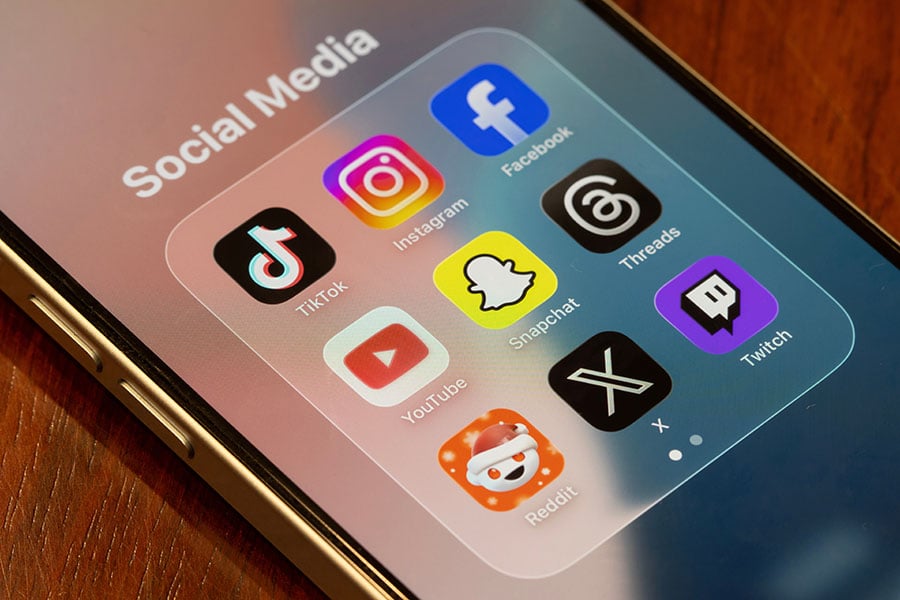
The social media ban, set to come in next year, will prohibit children under 16 from holding accounts on the major social media platforms including Snapchat, TikTok, YouTube, Instagram, Facebook, X and Bluesky, while allowing them to keep messaging services such as WhatsApp and Signal.
From September 2028, the National Curriculum will embed media literacy across subjects, alongside strengthened English and History content to analyse sources and spot bias, and an enhanced computing curriculum covering AI, data science, and technological bias.
In December 2025, Australia became the first country in the world to enforce a nationwide prohibition preventing children under the age of 16 from holding accounts on major social media platforms.