
Marriage or civil partnerships remain the most common legal partnership status among adults in England and Wales, according to the latest population estimates from the Office for National Statistics.
The percentage decreased slightly, down from 52.3% in 2015 to 51.1% in 2025, despite people in civil partnerships and same-sex marriages more than quadrupling over the same period to 0.9% and 0.4%, respectively.
The second most common legal partnership status was those who have never married or been in a civil partnership, increasing from 32.6% in 2015 to 34.9% in 2025. The largest increases were for those aged between 25 to 34 (four percentage points) and 45 to 69 years (seven percentage points).
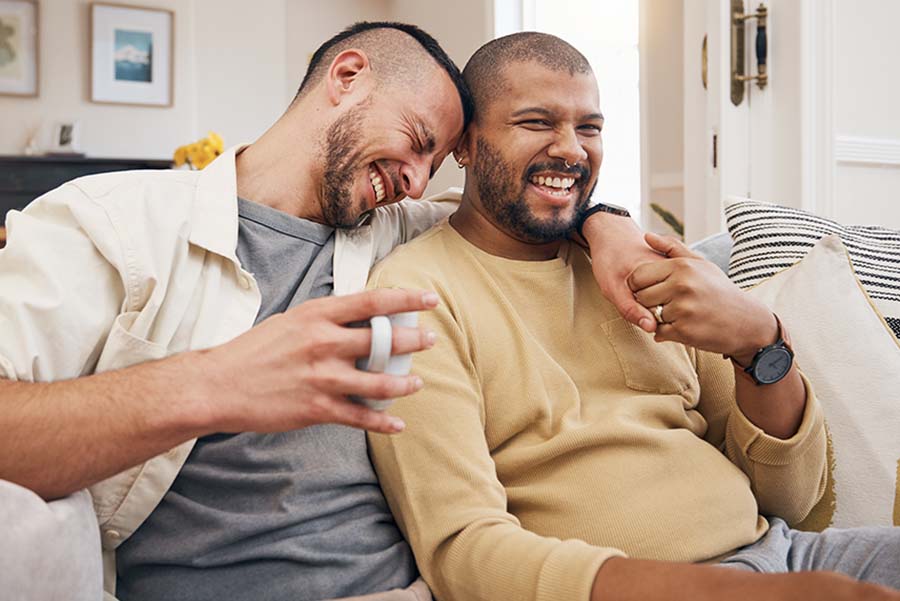
Same-sex marriages accounted for 0.9% (218,204) of all marriages in England and Wales in 2025. The number has grown steadily since the introduction of same-sex marriage in March 2014, with men accounting for 64.5% and women accounting for 35.5% of those in same-sex marriages in 2025.
Almost two thirds (62.1%) of adults in England and Wales lived together as a couple in 2025, making it the most common living arrangement. Half (49.1%) lived with a legal partner, 10.8% were cohabiting without ever forming a legal partnership and 2.2% were cohabiting after divorce or the death of a legal partner.
Cohabitation among those who have not previously formed a legal partnership increased to 10.8%, up slightly from 9.8% in 2015.
The percentage of people living with a legal partner or cohabiting after divorce or the death of a legal partner both decreased slightly.
Keystone Law’s Family partner Terrence Trainor said the figures show marriage is no longer the “automatic next step” for couples.
“In my experience, many people are choosing to marry later, or not at all, for perfectly understandable reasons,” he said. “They may want to buy a home first, clear debts, build their careers or simply feel that a wedding is not a priority.
“What we are seeing is a broader change in the way people think about relationships and family life. Marriage is still hugely important to many couples, but it is increasingly one option among several rather than the expected destination of a long-term relationship.
“I expect nuptial and cohabitation agreements to become increasingly familiar parts of relationship planning, particularly as people become more aware that a little clarity at the outset can prevent considerable uncertainty later on.”