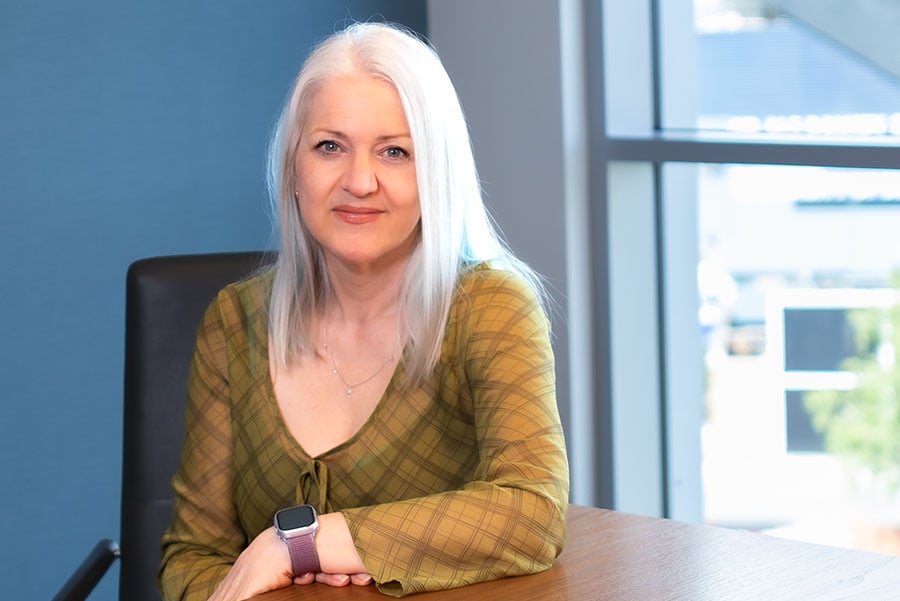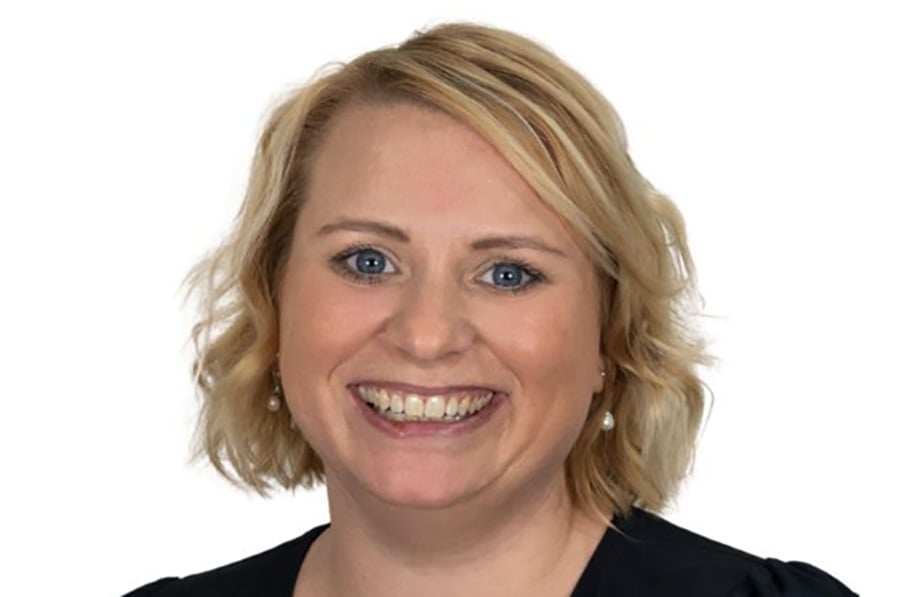

Zoe is highly experienced in all aspects of divorce and separation, financial remedy, disputes in relation to children and protection from domestic abuse including coercive control. She acts for individuals who are married, in civil partnerships or cohabiting at all stages of their relationship as well as advising broader family members in disputes regarding intergenerational wealth and complex arrangements for children. Zoe advises on complex and often high value cases involving trusts, business assets, international elements, complex share options, RSUs, LTIPs, farms and agricultural assets, complex pension arrangements, third party funders, freezing injunctions and appeals. She has been involved in consultations with the national working group on pensions and is often canvassed for her views on updates in this area of the law.
What was your career path to your current role?
A winding one! I studied law at the University of Reading and completed my LPC at the then College of Law in Guildford. When I completed my LPC I didn’t have a training contract and applied to the firm I trained with in Reading twice before being successful! I have worked at a number of different firms, all in the Home Counties and London, which had very different structures: from traditional partnerships and LLPs to international corporates, a regional boutique that was partially an employee owned business, and now a national PLC. At each stage I have been challenged to consider what I want from my role and which structure is best placed to provide this to me and importantly to my clients and professional contacts.
Did you have any other career ambitions?
This may sound a little geeky but no, I have known from a very young age I wanted to be a lawyer, I even had a sign on my bedroom door as a child that said, “future lawyer in the making!”
What keeps you motivated in your work?
Knowing that I am making a difference to the clients that I work with and their wider families, often in the most challenging moments.
What has been the best development in family law in the last 20 years?
The ability to work with a couple together under the one lawyer, one couple model, where this is appropriate. The change to no-fault divorce sparked off so many conversations about a better way to support separating couples, who are able to work constructively together, and I feel privileged to have been at the forefront of offering this service.
And the worst?
The fact that family law has simply not kept pace with societal changes, meaning many families are left without the support and protections they believe, wrongly, that they have.
If you could bring in one new piece of legislation for the sector, what would it be and why?
A joined-up system for cohabitees and unmarried parents that protect them not just if a relationship breaks down, but also on incapacity and death. It has always felt so wrong that the most vulnerable in these situations are often left without support and protection, especially when we know that relationships of this type can include some of the worst domestic abuse and coercive control, forcing people to not push for the protection that being married or in a civil partnership would give them.
This could include an ‘opt out’ arrangement for those who want to carve their own path and fully understand the legal implications of doing so (like nuptial agreements provide for those who are married/civil partnered).
What piece of legislation would you take off the statute books and why?
The Legal Aid, Sentencing and Punishment of Offenders Act 2012 (LASPO) in so far as it relates to applications for financial provision for legal fees in the Family Courts. Instead, I would make it a requirement that how legal fees are going to be funded needs to be established and secured within 21 days of an application being made (or more quickly if an urgent application) and give judges wide-ranging powers to redistribute assets to ensure equal access to matrimonial funds for legal fees funding.
After all, why should the fact that savings are in one spouse or civil partner’s name dictate how they can be used and create such inequality whilst all aspects of the separation are being considered? Especially as it is likely this would also promote early open settlement discussions and resolutions for families.
What’s the best piece of advice anyone ever gave you regarding your career?
Being a trusted professional is not just about what you can directly help people with, but also how you can seamlessly connect them to others – so never underestimate the power of a connection.
What advice would you like to give to someone just starting out?
It is never too early in your career to network and don’t just restrict this to your work life. Yes, you will develop at roughly the same professional rate as those at university with you and those starting out as trainees, apprentices and assistants, but you never know when your neighbour, fellow sports team member, friend, family member, parent at the school gates or pub quiz team member might also need some legal support, or what gems you might learn from a more seasoned professional. The best networkers take time to get to know people, so open up about yourself and be professionally inquisitive about others.
Tell us something people may be surprised to know about you…
Alongside the day job I run a youth group for girls and young women aged 4-21, helping to equip, encourage and inspire them to face everything the world we live in may throw at them. This has taken me all around the world speaking with other youth leaders as well as to Buckingham Palace to talk to members of the royal family about the opportunities for children and young people.
If you’d like to appear in a future Today’s Family Lawyer profile, email press@todaysfamilylawyer.co.uk