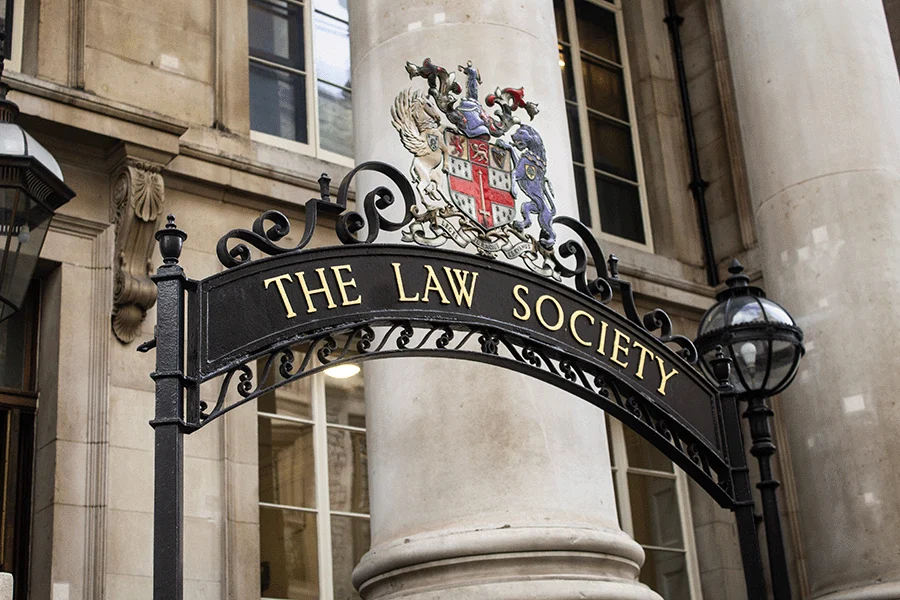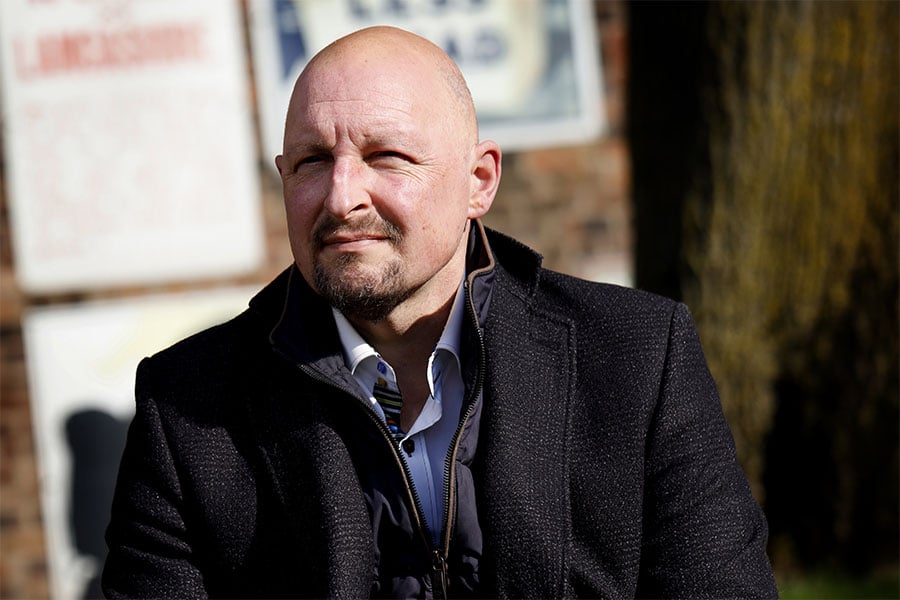
The Law Society of England and Wales says it has “widespread and serious concerns” over the proposed increase in funding the Solicitors Regulation Authority (SRA) is seeking in its 2026-2027 business plan.
In its response to the business plan consultation, the representative body said there was “insufficient evidence underpinning some proposals” and the SRA risked “overreach, particularly in fast-evolving areas such as AI”.
The Law Society called on the SRA to provide a much clearer explanation of the drivers behind the 29% increase in funding it is seeking, which includes increasing practising fees and compensation fund contributions, which will have a “significant and immediate” impact on the regulatory cost burden for firms. It also highlighted the disproportionate nature of the increase which impacts smaller, high street, and legal aid firms which already operate on tight margins.
In May the SRA launched an open consultation on its draft business plan and funding requirement for 2026/27. The regulator said it would seek an increase of £25 million in funding, to £111.5 million for the financial year, which its proposals said reflects “a deliberate decision to invest now as part of a reset to put the organisation on the right footing for the future”.
At the time, Law Society President Mark Evans described the proposals as “deeply concerning” and in its formal response to the consultation the Law Society said the “proposed practising certificate (PC) fee increase is largely to fund remedial action to fix problems of the SRA’s own making”.
Evans said: “It is solicitors, already dealing with higher costs and heavy regulatory burdens, who are having to pay the price. Any increase should not be a penny more than is necessary and it should deliver real and lasting change at the SRA. Success must be demonstrated through measurable improvements in effectiveness, consistency and trust, backed-up by independent assessment of the SRA’s progress.”
Part of the increase in funding will come through a rise in individual practising certificate fees, from £190 to £240.
“We have to voice strong and widespread concerns from the profession about the increase in both the PC fee and the compensation fund levy,” added Evans.
“The SRA’s need for increased funding is a bitter pill driven by past institutional weakness. In this context the LSB and SRA must bear in mind the impact on firms and individual solicitors. The cumulative financial pressures on the profession, especially smaller firms and those in lower-margin areas including legal aid providers, pose a risk to market sustainability, consumers of legal services, and access to justice.
“In these circumstances, the SRA should look into the possibility of targeted fee reductions for legal aid firms, to support access to justice.
The Law Society president said he is relieved to see plans for the SRA to take over the regulation of CILEX professionals has been put aside: “This was a wasteful distraction from the regulator’s core responsibilities, which we had opposed from the start,“ he said.
CILEX CEO Jennifer Coupland discussed the reasoning behind the decision, and the impact of the Mazur decision on CILEX, in a recent Today’s Family Lawyer Podcast.
Concluding, Evans said: “The SRA must prioritise high-risk issues more rigorously, ensuring resources are focused on matters posing the greatest risk to the public, rather than lower-impact or easier cases. Persistent concerns among solicitors about inconsistent decision-making, delays and variable investigator capability, have undermined confidence in the regulator, and need to be addressed.
“The SRA’s plans to improve operational capacity and capability must be accompanied by culture change. This should include a shift away from overly process-driven and enforcement-led approaches and a greater emphasis on supporting compliance.
“As a representative body we will act to hold the SRA to account. Our guarded acceptance of the need for more investment in its core regulatory functions is not a green light for year-on-year increases.”