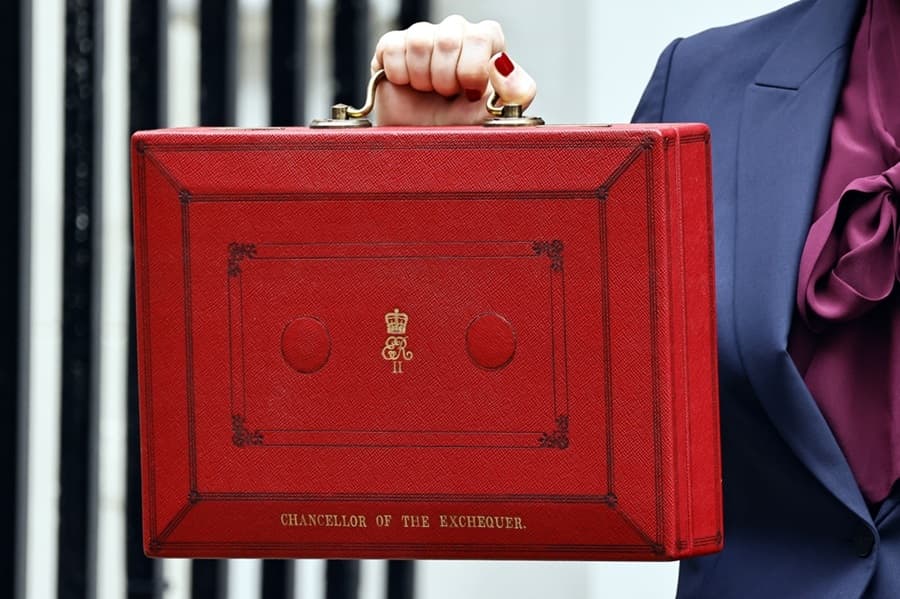

The accidental publication of the content of the budget by the Office for Budget Responsibility (OBR) nearly made more headlines than the content of Labour’s much-anticipated budget which threatened fireworks and delivered ‘no return to austerity’ and a promise ‘the wealthiest will contribute the most’ to filling the gap in the public finances.
After weeks of speculation and after taking the almost unprecedented step of making her ‘scene-setting’ speech, chancellor Rachel Reeves did not break the manifesto promises of no increase to income tax, national insurance or VAT.
Indeed family professionals may wonder what all the fuss was about. Private client colleagues may breathe a collective sigh of relief. Despite a further freeze of the Inheritance Tax (IHT) exemptions until 2031, which sees the nil-rate band unchanged for 22 years, the main change to IHT is a surprisingly positive one said James Ward, Head of Private Client at law firm Kingsley Napley
“The introduction of the transferable business and agricultural nil rate band between spouses and civil partners will go some way towards lessening the “farmer’s tax”. This will particularly benefit widows whose spouses died pre-April 2026 and give them an additional £1 million exemption.”
A freeze on IHT could see receipts rise to as much as £14.5 billion per year by 2030/31 predicted Rachael Griffin at Quilter, with the government accused of ‘cashing in’ on an ‘ever-expanding pool of taxpayers.’
The rumoured overhaul of the stamp duty system failed to materialise, as did the unpopular suggestion that the highest council tax bands could be doubled. But proposals for the introduction of a mansion tax did materialise with a surcharge to be introduced on properties worth more than £2 million.
From 2028, an annual ‘high value council tax surcharge’ of £2,500 for properties worth between £2-5 million and £7,500 for properties worth over £5 million will be collected through the council tax system. Outlining the changes, which will affect less than 1% of properties and are set to raise over £400 million by 2031, the chancellor said a council tax band D home in Darlington or Blackpool is liable for £2,400 in council tax – ‘£300 more than a mansion in Mayfair’.
There may well be unexpected consequences for separating couples though said Emma Morris, Legal Director at family law firm, Burgess Mee
“Rachel Reeves fails to realise that the so-called mansion tax will affect many people who cannot afford it, including those who have divorced or separated and seen their household income plummet while the cost of living spirals. Where a divorce settlement has already been agreed, this could leave someone unable to afford to remain in their home. Alternatively, if they are receiving periodical payments, they may seek an upward variation to cover the cost from their former spouse.”
As far as pensions are concerned the Chancellor confirmed the state pension will rise by 4.8% from April next year in line with the triple lock. But she acknowledged the government is looking at how to ease the administrative burden for pensioners whose sole income is the basic or new State Pension as the freeze in income tax thresholds means it is likely the full new state pension will breach the threshold for basic rate tax in 2027.
The previously announced inclusion of unused pension funds in IHT calculation, alongside the reduction in the ISA allowance to £12,000 for under 65’s will discourage long-term saving warned Louise Lewis, Partner and Joint Head of Trusts, Estates and Tax at Freeths:
“Lower ISA limits reduce flexibility for tax-efficient investing, while bringing pensions into the inheritance tax net makes retirement planning more complex. Together, these measures send a signal that saving for the future is becoming less attractive.”
The legal sector as a whole will be pleased to see the rumoured tax on limited liability partnerships (LLPs) didn’t materialise either. The Law Society of England and Wales said it was pleased the government had listened to its concerns. Law Society president Mark Evans said
“The Law Society has been lobbying the government on behalf of our members to ensure that firms using LLPs will not face a new tax in today’s Budget. Leaders from across the professional services sector came together this month to write to the Chancellor to warn against such a measure and how damaging it would be for the UK economy.
“The legal sector is already contending with major regulatory changes in anti-money laundering and compliance. Any additional burdens would have created a perfect storm on firms’ ability to invest, hire, and contribute to growth, which could prove damaging to the wider economy.”
One inclusion of note for the law was the sizeable reduction in Capital Gains Tax (CGT) relief on Employee Owned Trusts (EOT); a route a number of firms have undertaken in recent years. Currently there is a 100% exemption on CGT. The budget will reduce that in half so there will now be only a 50% relief. But it may not completely put people off exploring them said Christian Wilson, partner at law firm Spencer West LLP:
“Halving the capital gains tax relief on sales to employee ownership trusts will likely cool momentum in the short term. It raises founder tax costs, squeezes headroom for deferred consideration and is likely to bring seller price expectations closer to independent valuations. That said, EOTs remain a robust succession route for good businesses because they preserve culture, jobs and independence; it’s not just about the tax. The added advantage of creating your own buyer and softer due diligence remain unaffected.”
The budget delivered mixed news for those currently going through separation and divorce suggested Miranda Fisher, Partner in the Family team at Charles Russell Speechlys. For one many couples have been left stranded by the uncertainty in the property market caused by so much speculation in recent months, which has slowed home buying and selling. The impact is ‘detrimental emotional impact on the families and children concerned.’ Further, the mansion tax will ‘do nothing to increase liquidity and will impact the housing needs of both parties’ warned Fisher.
“All of this has a knock-on effect in settlement negotiations; where parties had reached agreement on housing arrangements and maintenance, many will now need to revisit those discussions.
“Changes to pension taxation and withdrawal rules will also disrupt many pension sharing arrangements. Orders that were carefully modelled to ensure fairness and financial independence may now need to be revisited, requiring fresh analysis and expert input. And, freezing income tax thresholds intensifies “fiscal drag,” reducing net take home pay as earnings rise into higher bands.
“Ultimately, this Budget has made divorce and separation more costly, more complex, and more emotionally draining. These reforms, while fiscally driven, will have deeply personal consequences for the thousands of people trying to navigate family breakdown.”